
Stone Care
Gentle tips to keep your quartz and natural stones vibrant and lasting
Protect Your Investment with Proper Stone Care and Maintenance.
Quartz
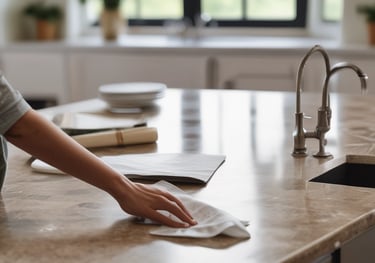
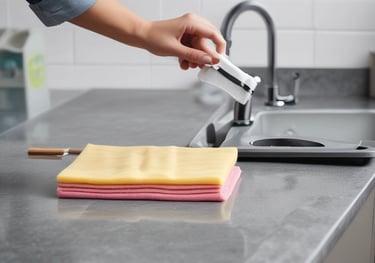
Clean quartz with mild soap and water; avoid harsh chemicals.


Natural
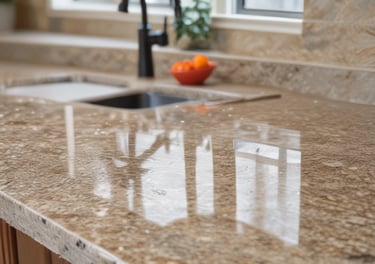
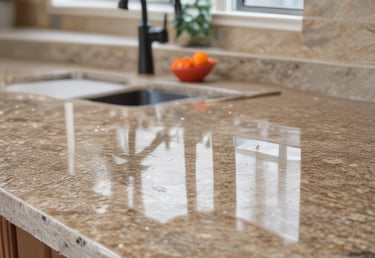
Seal natural stones regularly to protect from stains and moisture.
Use a soft cloth for dusting and avoid abrasive scrubbers.
General


Care Tips
How to clean quartz?
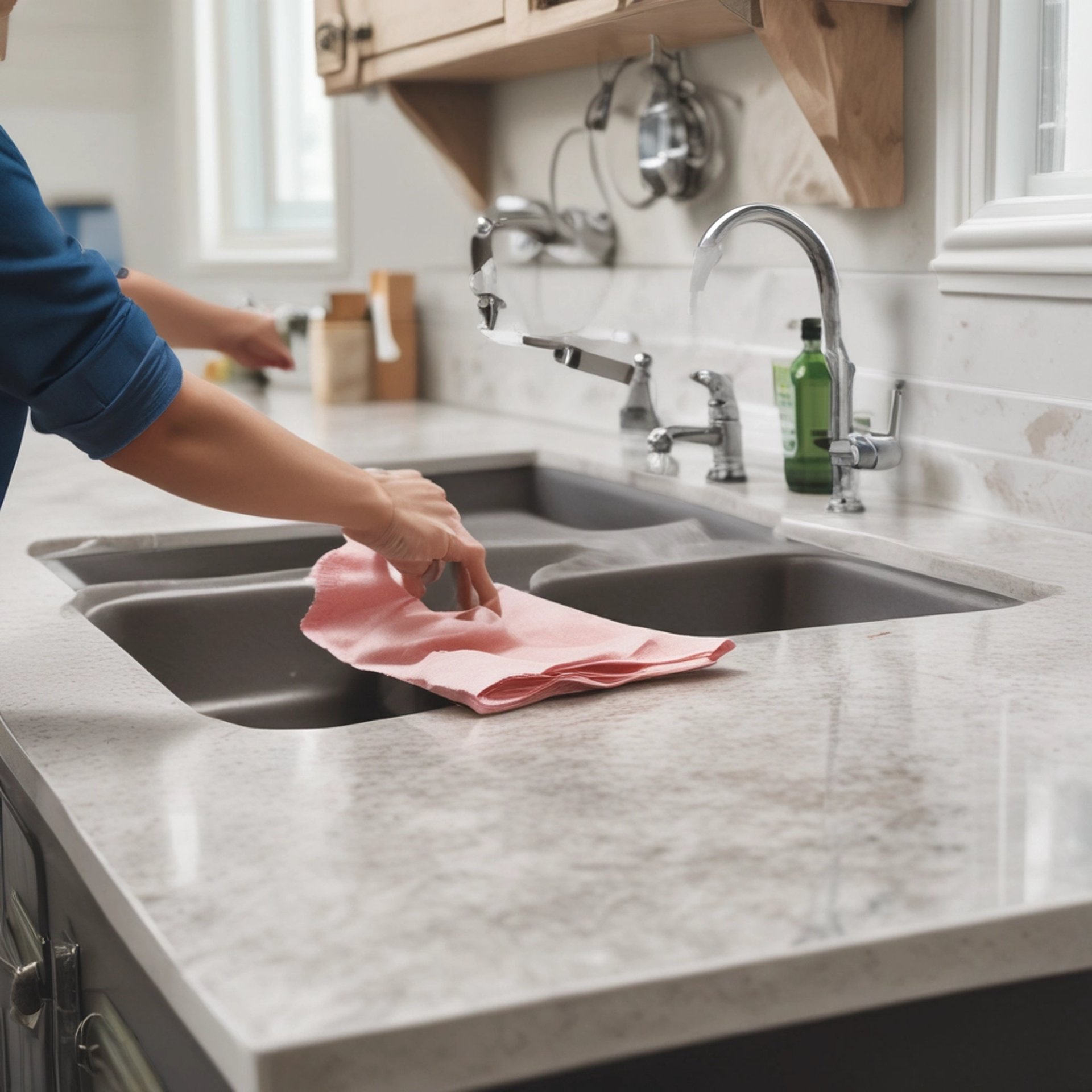
Use a soft cloth with mild soap and warm water to gently wipe quartz surfaces. This will help prevent any scratches or damage while ensuring that your surfaces remain clean and glistening. It is important to avoid abrasive cleaners or scrubbing pads as they can dull the finish of the quartz and mar its appearance over time. Consistent care will keep your quartz looking new and beautiful for years to come.
Difference between quartz and natural stone when it comes to heat?
Is sealing necessary for stones?
Sealing natural stones helps protect them from stains and moisture; quartz usually doesn’t need sealing. Moreover, while quartz is known for its durability and resistance to scratches, it still benefits from proper care and maintenance. Regular cleaning with mild soap and warm water can ensure its luster is preserved over time, making it an attractive option for various surfaces in your home, such as countertops and flooring.
How frequently should stones be cleaned?
Regularly clean your stones to keep their natural luster and prevent build-up. It is essential to maintain their beauty and ensure they last for years to come. A gentle cleaning routine can help preserve the integrity of the stones while enhancing their appearance. Consider using mild soap and water for this task, and remember to dry them thoroughly afterward to avoid any moisture-related issues.
What to avoid on quartz?
Avoid harsh chemicals and high heat which can damage quartz surfaces. It's essential to keep the surfaces clean and use gentle, non-abrasive cleaners to maintain their beauty and durability over time. A little care goes a long way in preserving their pristine look.
How to handle stains on natural stones?
Blot spills quickly and use a stone-safe cleaner; avoid acidic substances like vinegar or lemon juice. It's important to act swiftly in order to prevent any lasting damage to your surfaces. Remember to always test any new cleaner on a small, inconspicuous area before applying it more broadly to make sure it doesn't harm your stone. Additionally, keep your stone surfaces well-sealed to further protect against stains and damage from spills.
Quartz surfaces are engineered to withstand heat only up to a certain temperature, often leading to discoloration or damage if exposed to high heat sources, while natural stone, such as granite or marble, typically can endure higher temperatures without suffering any immediate effects. However, natural stone may still be susceptible to thermal shock, which can cause cracks if subjected to rapid temperature changes.